
DiaLogic
Thinking Through Big Questions for Dialogue
A Menu for Dialogue: Cultivating Connection With and Among Students

Dr. Leah Anderson, Executive Director, SNF Paideia Program reflects on a simple experiment: inviting sophomore fellows to gather in small groups for tea, conversation, and connection. What began as a light-lift way to introduce students to the program’s history and vision became something more, a structured yet warmly personal space where students connected not only with leadership, but with one another.
Dialogic Theory-Crafting: A Collaborative Meta-Testimony

In the SNF Paideia designated course “Testimony as a Dialogic Practice” (COML 0522), we read Daniel Nayeri’s 2020 work of autofiction Everything Sad Is Untrue (A True Story) together over the course of many weeks. A heartbroken and heartbreaking refrain of Nayeri’s narrator throughout this book is “A patchwork memory is the shame of a refugee.”
But a patchwork theory is the joy of a Testimony class.
Rehearsing New Realities: The Infrastructure of Dialogue

Pre-paideia, unbeknownst to me, I held a limited perspective of dialogue. I saw dialogue as merely conversation: a verbal exchange of ideas, thoughts, sentiments between one or more body-minds. I valued difference—my earliest friendships, since kindergarten, were formed across lines of ethnicity, religion, native language.
"Misunderstandings About Understanding" A Tragic Meta-Dialogue in One Short Act

Scene: A mysteriously cold and breezy conference room at Locust University in Misadelphia, PA. Two students, Rita and Cy, are eating the bountiful lunch provided by Locust’s OMG Panacea Program. Panacea has paired Rita and Cy together for a short dialogue exercise, which is about to begin.
Reimagining Dialogue: Inventing New Metaphors by the Class of 2028 SNF Paideia Fellows

How might we reimagine dialogue? Rather than describing and practicing dialogue in terms of war and domination, how might we instead describe and practice it? How would thinking about dialogue in this way lead us to practice dialogue differently?
Bringing Shame Sensitivity into Dialogue

What does shame mean to you? How and where does it come up in the dialogues you have with yourself and with others?
Of Safe Spaces and Sanctuaries: Dialogue as a Structure of Care
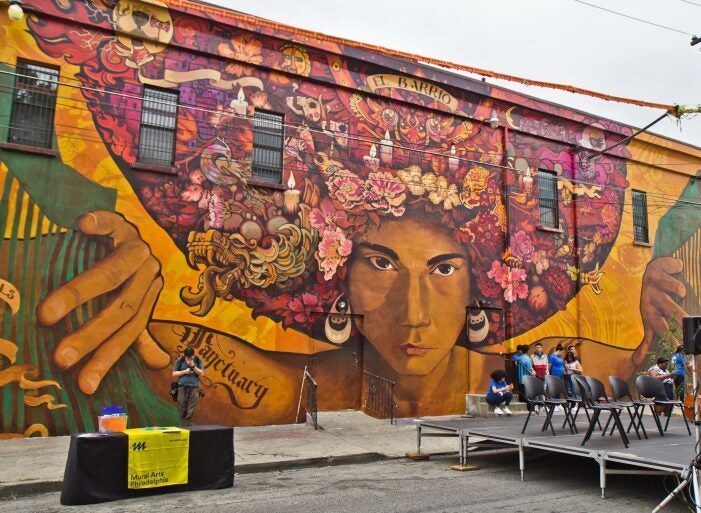
When the world around us is increasingly unsafe, how can our dialogue spaces provide sanctuary? How does creating refuge help us confront reality?
Practices That Support Belonging

What is something that someone once said or did that made you feel like you belonged?
Beyond Understanding: Other Ways to Practice Listening

The Language of Dialogue: Embracing New Metaphors

What is the first language you learned how to speak? How did that language teach you to see others, to think about yourself and your place in the world? From whom did you learn it, and how well did you mimic it?
Testimony as a Dialogic Practice and Pedagogy: Notes from a Fall 2024 Paideia Course

How can we receive another’s stories – their grief, their pleasure, their bewilderment, their wonder, their rage – in a way that affirms but does not appropriate or presume to understand? How can we share our own stories in a way that allows us to begin to integrate a self that is often required to fragment itself in academic spaces?